
When "Brand New" Doesn't Mean Safe
This wasn't our first experience with mold. I had already become ill from mold in the house we lived in before, so when we went looking for our next home, we chose a brand-new build on purpose. New construction, we thought, would be the one place mold couldn't be hiding.
In late July 2025, we bought that brand-new home. It was four months old, beautiful and clean. Our first home inspector told us, "This is the best built house I have ever seen." We were so excited to finally move into our forever home: a one-level rancher on a lake with almost three acres of our own forest and stream, bouncing bunnies and a bird watcher's paradise.
Before we left our previous home, we had washed everything we owned and thrown out whatever couldn't be washed, so we wouldn't inoculate our new home with mold. We were determined to start clean.
Then the discoveries started. The attic inspection revealed mold colonizing all of the OSB boards, so much that the remediation company walked away twice before taking on the job. What should have been a one-to-two-week project stretched to three months. We kept our belongings in storage the whole time, refusing to risk spore contamination of everything we had just so carefully cleaned.
When we finally believed the attic was clear, we moved our furniture, clothing and possessions in, not knowing yet that the whole house was moldy. I set up my office with its enchanting view of what I called my magical forest, a space that felt like a sanctuary for creativity and work.
As I spent more time in that office, I developed gastrointestinal and sinus symptoms that crept up over weeks and wouldn't resolve, and a nasal culture came back positive for MARCoNS and the mold Penicillium, along with strong biofilm. Brain fog followed, and my heart rate variability (HRV) during sleep started to drop, a sign my body was under strain even while I rested. What I didn't know then was that my office had the highest mold counts in the entire house. We found that out later, when inspectors opened the walls and ran comprehensive testing.
In the end, it was a small renovation that revealed the full extent. After the attic remediation, we started a project to put in larger patio doors, and when we opened the walls, the OSB inside the exterior walls was covered in mold. Even in a house this new, just months of trapped moisture had created extensive fungal growth. Opening those walls released concentrated spores and mycotoxins straight into our living space, and I became very ill.
I grabbed what I could and went to my parents' home, six hours away. Mold inspectors then used a borescope and air sampling to check inside the wall cavities and found mold in most of them, but that testing under-reported three of the walls. Once remediation began, it became clear that the OSB in every single exterior-facing wall was completely covered in mold. We had also encapsulated the crawlspace proactively, only to learn that the contractor had encapsulated right over mold growing there.
Taking It Back to the Studs
There was no half-measure that would work. The house had to come down to the studs to be remediated and rebuilt, and winter meant we couldn't simply replace the OSB from the outside. For months we moved between Airbnbs and my parents' house while the work went on.
Looking back, there was no practical way to find mold hidden inside the OSB before we owned the home. No one opens up exterior walls during a standard inspection. What we could have paid closer attention to was the construction timeline: this house was built over a Pacific Northwest winter, when framing and sheathing sit wet for weeks.
By spring 2026, the rebuild was done. Wall cavities had been opened, cleaned and dried before they were closed. The exposed OSB tested dry. The crawlspace was properly encapsulated and kept at low humidity, the attic was clean and dry, and the house held steady at under 50% humidity. We moved back in.
The Reason We Got It Right This Time
I want to give full credit to my husband. The rebuild worked because of his hard work, his perseverance and his sharp, curious mind. He refused to accept "good enough" at any stage.
During the remediation, he was at the house every day or every other day, watching the work. He essentially earned a PhD in building science to make sure our home was rebuilt properly, and he found problems no one else caught:
- The HVAC had been installed improperly and wasn't working, which contributed to the stagnant, unmoving air that let moisture build up while the house was being built
- The bathroom fan had been installed with the tape still blocking it, so it had never actually moved any air
- The remediators had missed spots, and he found several areas where mold hadn't been removed and took care of them himself
He also changed how the house breathes. He installed ERVs (energy-recovery ventilators) to keep fresh air moving through our very airtight home, and he placed dehumidifiers in the crawlspace and the attic so we can control moisture where mold likes to start.
Today, when a client has a question about their home, whether it's a new build, a leak, a musty room or a renovation, he often helps me think it through: how he'd find the moisture, and how he'd fix it. Our home story became part of how I work.
After We Moved Back In: When the Source Isn't Inside the House
For a few months, everything was right. I felt well, and my testing that April was the cleanest it had been in years. Then a separate building on our property flooded.
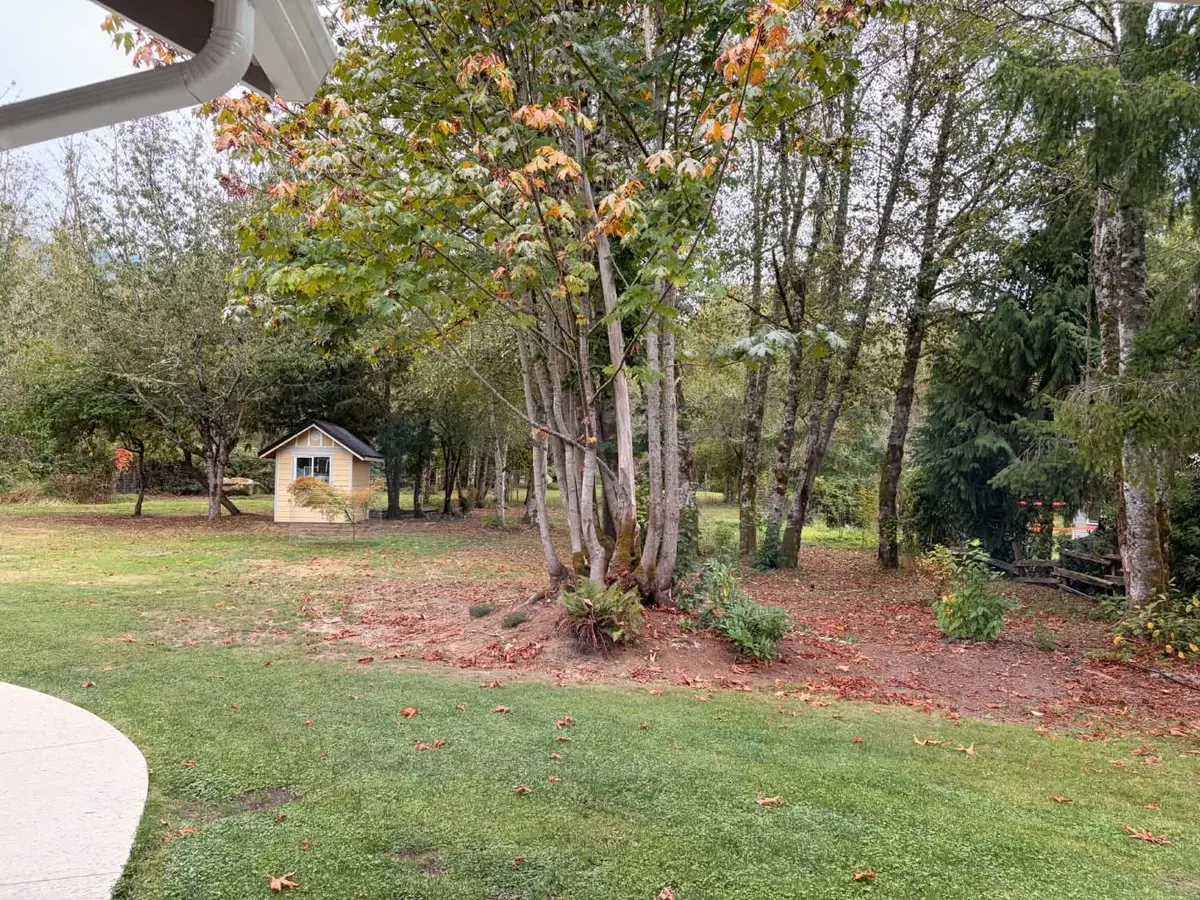
Our pumphouse is a 60-year-old outbuilding that holds our water system. It sits a few dozen feet from my office, directly facing my office windows, among the tall maples and alders of my magical forest. At sixty, it already had some mold, but it wasn't rotting, until it had a major water failure. Its wood, particleboard and insulation stayed soaking wet for nearly two months. Nothing inside our house was wet, but within weeks my symptoms came back: coughing and throat clearing, sinus congestion, poor sleep and brain fog. My follow-up testing shifted again too.
The source turned out to be outside, and it was reaching us in three ways:
- Open windows facing the pumphouse
- Our ventilation system's fresh-air intake, which sat on the pumphouse side. When it was switched back on without my knowing, I started coughing within minutes, and it settled once the system was turned off and the house was aired out from the other side
- Carry-in on clothes, shoes and hair after time spent working in the pumphouse
Closing those pathways, physically cleaning the settled dust inside, and finally tearing out the moldy material and rebuilding the pumphouse turned things around. Even afterward, disturbing outdoor debris near the house, like pressure washing, cleaning the gutters or moving rain-soaked bags of soil, could set off a reaction until we kept the nearby windows closed.
Consider Every Possible Source
The lesson I bring to every client: when mold symptoms or mold toxicity are present, consider every possible source, not just the rooms where you live and work.
- Outbuildings count. Pumphouses, sheds, garages, barns and workshops near the house can affect the air inside it
- Know where your fresh air comes from, and what your ventilation intakes face
- Windows are pathways, especially at night, and especially when they face a source or a disturbed area
- Watch for carry-in on clothes, hair, shoes and tools
- Drying isn't removing. Once porous material is colonized, it has to come out
- Cleaning means physically removing settled dust and debris, not just spraying something to kill mold
- Check cars and devices, including car heating and cooling systems
- Track your own patterns. Noticing how your symptoms and sleep change as you open and close each pathway is one of the most powerful tools you have
A Primed Body Can Learn to Calm Down
Once the amygdala, the brain's threat detector, has been primed to mold, the body can react to even small exposures. That makes getting out of mold the first priority. From there, the work is to calm both sides of the reaction: the immune system's reactivity, and the nervous system's memory of the threat. I believe that when the nervous system and immune system are addressed together, and the trigger is removed, the body can become less reactive over time. That doesn't make mold safe for anyone, but it can lower the consequences of an exposure. I explain how mast cells and the nervous system keep each other on alert in Mast Cells: When Your Body Reacts to Everything.
Why Mold Made Me So Sick
Mold is saprophytic: its job in nature is to decompose dead organic matter, and outdoors it's one of nature's great recyclers, kept in balance by sunlight, airflow and a diverse community of other microbes. It does its work by releasing digestive enzymes (proteases) and chemicals into whatever it's growing on.
Inside a wet wall, the ecology changes. Mold isn't alone there: bacteria such as actinomycetes move in and feed on it, chewing on the chitin in its cell walls while producing their own antibiotics. The mold fights back with mycotoxins. With an unlimited supply of food (wood, drywall, insulation) and constant moisture, the mold can keep producing these chemical weapons, and the bacteria, with an unlimited supply of mold to eat, keep producing antibiotics of their own. Some of these microbes also help each other, sharing the same protective biofilm, but much of what passes between them is chemical warfare. It becomes a microbial war zone, and we are the bystanders, breathing in the enzymes, toxins and antibiotic compounds released by both sides. When mold colonizes our sinuses or gut, some of the same enzymes and chemicals can be released inside us too.
A water-damaged building exposes us to several things at once:
- Spores, which carry allergens and inflammatory compounds deep into the airways
- Fragments, far smaller than spores and up to 320 times more numerous, which reach deeper into the lungs and slip past many filters
- MVOCs, the gases behind that musty smell, which irritate the airways and can trigger headaches, fatigue and brain fog
- Mycotoxins, the chemical defenses molds produce, which inflame tissues, disrupt the gut, and can travel from the nose to the brain along the olfactory nerve
- Actinomycetes and endotoxins from the bacteria living alongside the mold, which add to the inflammatory load
I go much deeper into all of this in Happy Mold vs Angry Mold, Part I.
What We Would Tell Anyone Buying a Home
Hidden mold is hard to find before you own a home, but you can stack the odds in your favor.
Before You Buy (New or Old)
- Hire a qualified mold inspector, separate from the general home inspector
- Take moisture readings on accessible framing and sheathing, and use thermal imaging to look for moisture behind walls
- Test the dust, not just the air. Mold spores are heavy and settle, so settle plates and an ERMI or HERTSMI-2 dust test add an important view. I explain how to read them in Part II
- Ask when and how the house was built. A home framed and sheathed over a wet winter deserves extra scrutiny. Ask for construction photos and whether materials were rained on
- Look closely at the crawlspace. Ours was encapsulated right over existing mold. Dirt crawlspaces are also a favorite home of actinomycetes, and a very airtight house can pull crawlspace air up into the living space
- Check the ventilation actually works: HVAC airflow, bathroom and kitchen fans (ours was taped shut), and where fresh-air intakes are located
- Check the usual moisture hotspots: around windows and doors, under sinks, behind appliances, the washing machine, and the basement
- Walk the outside. Gutters should be clear and the ground should slope away from the foundation, so water drains away from the house
- Treat wall-cavity sampling as a snapshot. It found mold in most of our walls, and opening them showed three more that were fully covered
- Retest after any remediation before moving belongings back in
Red Flags in New Construction
- Musty or chemical odors
- Water stains, even if they have been painted over
- Humidity consistently above 50%
- Delays during construction, or reports of materials being rained on
- The HVAC being run during construction, which pulls construction dust and moisture into the ducts
- Condensation on windows
- Discoloration of any building materials
- HVAC, fans or vents that don't seem to move much air
- Carpet in damp areas like basements and bathrooms
Keeping a Home Mold Free
Mold needs water. Keep the water under control and you take away its chance:
- Fix leaks fast (roof, plumbing, windows), and dry or remove anything that got wet within 48 hours
- Keep indoor humidity under 50%, with a dehumidifier in damp spaces. Ours run in the crawlspace and the attic
- Use bathroom and kitchen fans every time, and check now and then that they still move air
- Keep fresh air moving, especially in an airtight home
- Dry wet things promptly: towels, gym clothes and spills. Don't leave laundry sitting in the washer, and leave a front-loader door open so the seal can dry
- Keep water moving away from the house, with clear gutters and good drainage around the foundation
- Skip carpet in basements, bathrooms and other damp areas
- Clean the hidden wet spots: coffee makers, fridge water filters, water flossers, humidifiers, bath toys, toothbrush holders and the holder under the toilet brush
- Don't keep old books, papers and cardboard boxes in damp storage spaces
When to Suspect Mold
If several of these began or got worse after a move, a water event or a renovation, it's worth investigating your environment. These are real, physiological responses, not "all in your head":
- Brain and nerves: brain fog that gets worse indoors, memory and word-finding trouble, headaches and migraines, tinnitus, dizziness, tremors, numbness or tingling, internal buzzing or vibration, light and sound sensitivity
- Airways: sinus congestion, post-nasal drip, nasal burning, chronic cough and throat clearing, shortness of breath or air hunger in certain buildings, nosebleeds, frequent respiratory infections
- Skin: unexplained rashes or hives, eczema flares, itching, rashes around the nose and eyes, flushing
- Gut: bloating, cramping, alternating constipation and loose stools, reflux, new food sensitivities
- Hormones: cycle changes, heavy periods, low libido, thyroid and blood sugar swings, temperature regulation problems
- Whole body: fatigue that rest doesn't fix, disrupted sleep, night sweats, excessive thirst and frequent urination, bladder irritation, static shocks, muscle and joint pain, new allergies and chemical sensitivities
- Mood: anxiety, low mood, irritability, fear or panic without a clear cause, rage episodes
One of the most useful clues costs nothing: if you feel better within hours of leaving a building and worse when you return, that is valuable information.
Testing and Healing
If mold is part of your picture, testing helps map what is happening in your body. The tools I use include a urine mycotoxin panel alongside mycotoxin antibody testing, an organic acids test, a comprehensive gut analysis, a nasal culture, hormone panels and a hair tissue mineral analysis. I explain how I use and interpret them in Happy Mold vs Angry Mold, Part II.
The order is individual, and I explain how I decide where to begin on my approach page. One principle holds for almost everyone: mobilizing toxins faster than the body can clear them makes people worse. These are the layers:
- Remove the exposure. Nothing else works while it continues
- Calm the nervous system and mast cells, so the body can tolerate the work ahead
- Open drainage pathways: bowels, liver and bile, lymph, kidneys and, if tolerated, sweat
- Bind and support detoxification, with binders matched to the mycotoxins found
- Restore minerals and repair the gut
- Address colonization in the sinuses and gut, once the body is ready
Where We Are Now
Today our home is dry, well ventilated and healthy. I'm well and active, and my airways are steadily becoming less reactive.
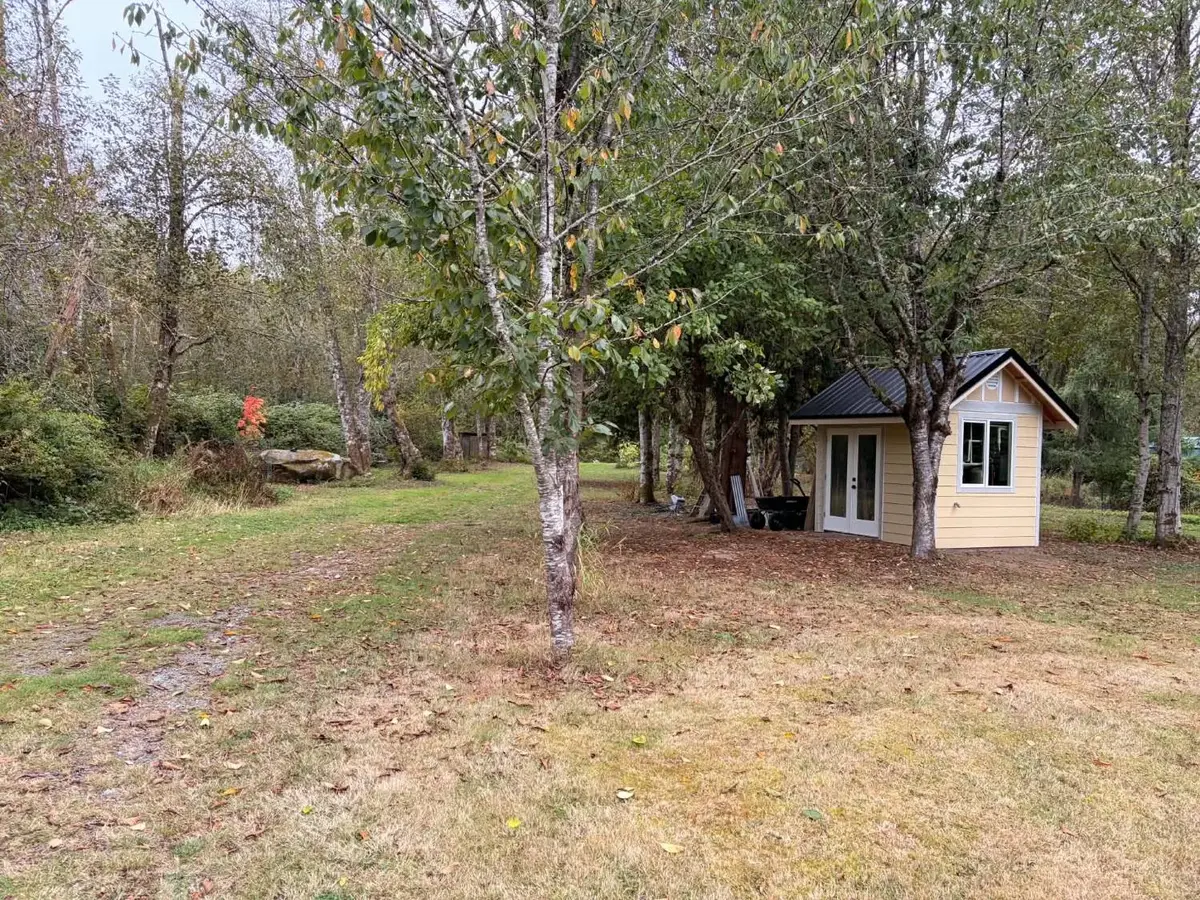
And the old pumphouse is gone. In its place stands a new one that my husband designed, and the builders told us it was the most expensive, most over-engineered pumphouse they had ever seen. It was built to be absolutely mold proof. Everyone who sees it says the French doors were a really nice touch.
I have always treated the environment as a first suspect, and living through this simply confirmed it. Since then, I have worked with many complex cases referred to me by other practitioners, and time and again the environment was still playing a huge role. If your symptoms don't make sense, look closely at where you spend your time, inside and out.
Selected references and further reading
Key studies and reviews behind the mechanisms described above. Many of the patterns in this article also come from clinical experience shared across practitioners, which doesn't always have a single paper behind it.
Damp buildings and respiratory health
- Mendell MJ, Mirer AG, Cheung K, Tong M, Douwes J. Respiratory and allergic health effects of dampness, mold, and dampness-related agents: a review of the epidemiologic evidence. Environ Health Perspect. 2011;119(6):748-756. PubMed 21269928
- Fisk WJ, Lei-Gomez Q, Mendell MJ. Meta-analyses of the associations of respiratory health effects with dampness and mold in homes. Indoor Air. 2007;17(4):284-296. PubMed 17661925
- Quansah R, Jaakkola MS, Hugg TT, Heikkinen SA, Jaakkola JJ. Residential dampness and molds and the risk of developing asthma: a systematic review and meta-analysis. PLoS One. 2012;7(11):e47526. PubMed 23144822
- Mudarri D, Fisk WJ. Public health and economic impact of dampness and mold. Indoor Air. 2007;17(3):226-235. PubMed 17542835
Spores, fragments and mold gases
- Górny RL, Reponen T, Willeke K, Schmechel D, Robine E, Boissier M, et al. Fungal fragments as indoor air biocontaminants. Appl Environ Microbiol. 2002;68(7):3522-3531. PubMed 12089037
- Korpi A, Järnberg J, Pasanen AL. Microbial volatile organic compounds. Crit Rev Toxicol. 2009;39(2):139-193. PubMed 19204852
Mycotoxins, the nose and the brain
- Bennett JW, Klich M. Mycotoxins. Clin Microbiol Rev. 2003;16(3):497-516. PubMed 12857779
- Islam Z, Harkema JR, Pestka JJ. Satratoxin G from the black mold Stachybotrys chartarum evokes olfactory sensory neuron loss and inflammation in the murine nose and brain. Environ Health Perspect. 2006;114(7):1099-1107. PubMed 16835065
- Harding CF, Pytte CL, Page KG, Ryberg KJ, Normand E, Remigio GJ, et al. Mold inhalation causes innate immune activation, neural, cognitive and emotional dysfunction. Brain Behav Immun. 2020;87:218-228. PubMed 31751617
- Akbari P, Braber S, Varasteh S, Alizadeh A, Garssen J, Fink-Gremmels J. The intestinal barrier as an emerging target in the toxicological assessment of mycotoxins. Arch Toxicol. 2017;91(3):1007-1029. PubMed 27417439
- Rogowska A, Pomastowski P, Sagandykova G, Buszewski B. Zearalenone and its metabolites: effect on human health, metabolism and neutralisation methods. Toxicon. 2019;162:46-56. PubMed 30851274
Testing in mold-exposed patients
- Hooper DG, Bolton VE, Guilford FT, Straus DC. Mycotoxin detection in human samples from patients exposed to environmental molds. Int J Mol Sci. 2009;10(4):1465-1475. PubMed 19468319
- Shoemaker RC, House DE. Sick building syndrome (SBS) and exposure to water-damaged buildings: time series study, clinical trial and mechanisms. Neurotoxicol Teratol. 2006;28(5):573-588. PubMed 17010568
Binders
- Wang P, Afriyie-Gyawu E, Tang Y, Johnson NM, Xu L, Tang L, et al. NovaSil clay intervention in Ghanaians at high risk for aflatoxicosis: II. Reduction in biomarkers of aflatoxin exposure in blood and urine. Food Addit Contam Part A Chem Anal Control Expo Risk Assess. 2008;25(5):622-634. PubMed 18478481
- Egner PA, Wang JB, Zhu YR, Zhang BC, Wu Y, Zhang QN, et al. Chlorophyllin intervention reduces aflatoxin-DNA adducts in individuals at high risk for liver cancer. Proc Natl Acad Sci U S A. 2001;98(25):14601-14606. PubMed 11724948