Dear Parent, You're Not Alone
If you're reading this, you're likely on a difficult journey. Perhaps your once-happy child suddenly developed severe anxiety, OCD behaviors, or unexplained rages. Maybe you've been told it's "just behavioral" or that you need to be stricter. You might have seen multiple specialists who couldn't explain why your child changed almost overnight.
I want you to know three things right away:
- What's happening to your child is increasingly understood biologically
- You're not imagining things - this is real
- There is hope for recovery
What Is PANS?
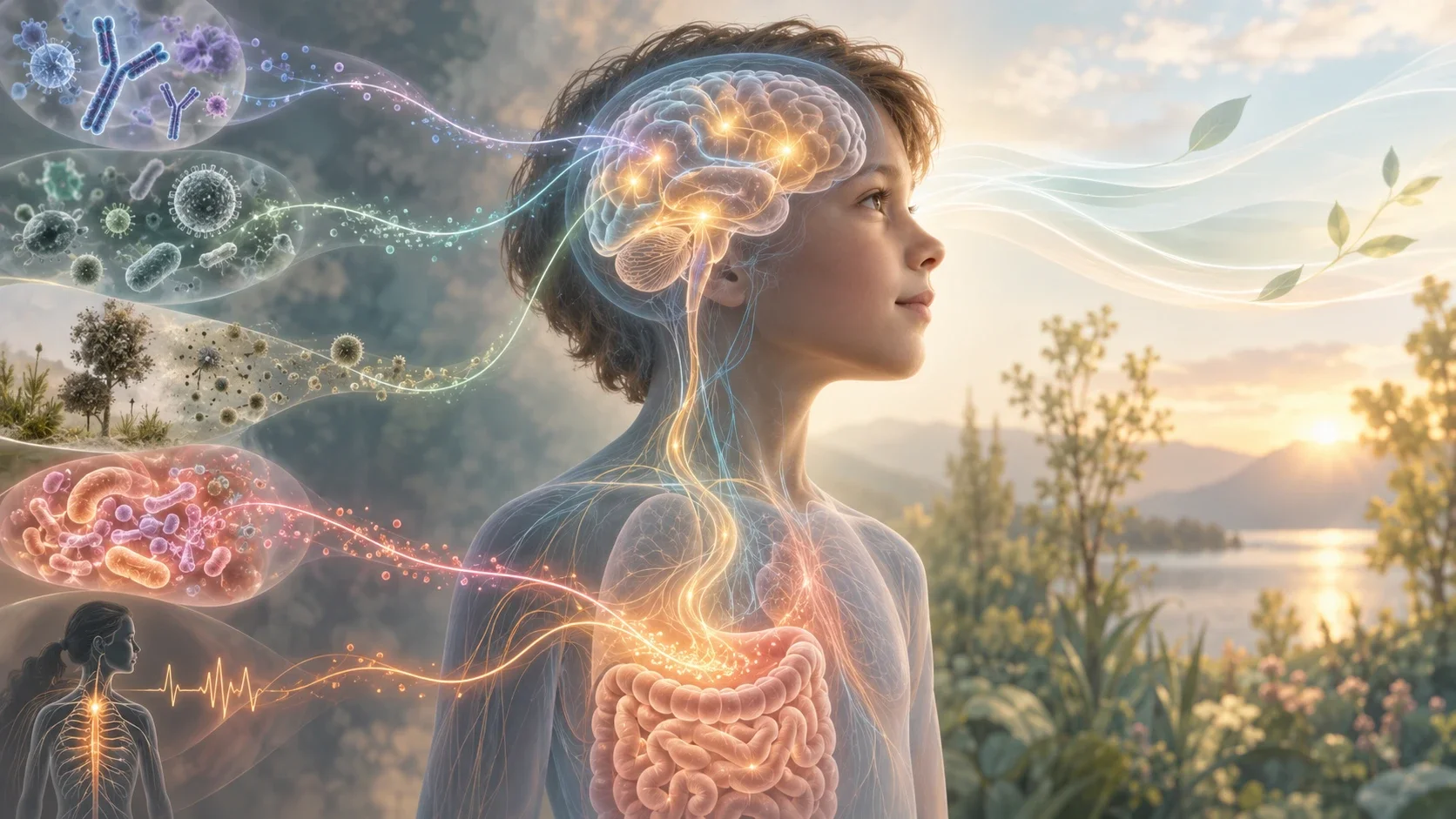
PANS (Pediatric Acute-onset Neuropsychiatric Syndrome) is understood to happen when the immune system, triggered by various factors, mistakenly targets the brain, causing sudden and severe psychiatric and neurological symptoms. Think of it like this: your child's brain is experiencing inflammation, similar to how a sprained ankle swells, except this swelling affects behavior, emotions, and thinking. I explain the bigger picture of brain inflammation, in children and adults, in Neuroinflammation: The Brain Is Rarely Inflamed in Isolation.
The Symptoms You Might Be Seeing
PANS typically appears suddenly - parents often remember the exact day their child changed. Here's what you might notice:
Emotional and Behavioral Changes:
- Sudden onset of severe OCD or compulsive behaviors
- Extreme anxiety or new fears (maybe your child can't be alone anymore)
- Rage episodes that seem to come from nowhere
- Depression or sudden mood swings
- Your child seeming like a different person
Physical Symptoms:
- Frequent urination or bedwetting
- Trouble sleeping or new nightmares
- Deteriorating handwriting
- New food restrictions or eating problems
- Tics or unusual movements
- Sensory issues (clothes suddenly feel wrong, sounds are too loud)
Cognitive Changes:
- Difficulty in school when they used to do well
- Memory problems
- Trouble concentrating
- Regression in development (acting younger than their age)
Why Traditional Approaches Often Fall Short
Many families have already tried conventional treatments - perhaps psychiatric medications, behavioral therapy, or antibiotics if PANDAS (the strep-triggered form) was suspected. While these can help, they often don't address the underlying problem: the multiple triggers creating inflammation in your child's body and brain.
Think of it this way: if your house was flooding, you wouldn't just keep mopping the floor - you'd find and fix all the leaks. That's what we do with functional health practices.
Understanding the "Perfect Storm": What May Contribute to PANS
PANS rarely comes from just one thing. Instead, multiple factors can combine to overwhelm a child's system. I call this the "bucket theory," and I explain it in full in The Toxic Bucket.
The Bucket Theory - Why Your Child and Not Others?
Imagine your child's body has an invisible bucket that collects stressors:
- Infections (strep, viruses, Lyme, yeast overgrowth)
- Environmental toxins (mold in your home, pesticides, chemicals)
- Food sensitivities creating inflammation
- Genetic variations that make it harder to detoxify
- Gut imbalances affecting the immune system
- Stress and emotional trauma
For most kids, this bucket drains well. But some children - often our most sensitive, bright, and aware kids - have buckets that don't drain as efficiently due to a combination of their genetics, higher pathogen exposure, increased environmental stressors and/or increased level of toxic exposure. When the bucket overflows, symptoms can appear.
Functional Approach: Finding and Addressing ALL the Triggers
Why I Use Functional Lab Testing
Standard medical tests often come back "normal" in PANS kids, leaving parents frustrated. That's because we need to look deeper. Functional testing looks at areas standard panels usually don't, which helps me see what may be adding to the picture.
Here's what I investigate:
1. Finding Hidden Infections and Imbalances
Comprehensive Gut Testing: Your child's gut health directly affects their brain. I look for:
- Markers of bacterial, yeast/fungal and parasite overgrowth
- Markers related to the gut barrier ("leaky gut")
- Imbalances in beneficial bacteria
- Digestive problems that create inflammation
- Toxins creating dysbiosis in microflora
- Inflammation patterns helping understand immune response
Why this matters: A large share of the immune system (70-80%) lives in the gut, and gut–brain–immune signaling is constant. When the gut is inflamed, the brain often feels it.
Organic Acids Testing (OAT): This urine test is like a window into what's happening inside your child's body. It gives us information about:
- Yeast and bacterial by-products
- How well their cells make energy
- Neurotransmitter pathways linked to mood
- Nutrient needs
- How well they're detoxifying
Why this matters: Fungal overgrowth can add to gut dysbiosis and systemic inflammation.
2. Uncovering Environmental Toxins
Mold and Mycotoxin Testing: Many PANS kids are living in moldy environments without anyone knowing. We test for:
- Various mold toxins being excreted from your child's body
- Signs of mold exposure even if you can't see mold
Real story: One family discovered mold behind their bathroom walls. After remediation alone, their son's OCD improved by 60%, without any other new intervention.
Chemical Toxin Testing: Modern life exposes kids to many chemicals that can add to a child's inflammatory load:
- Pesticides from food and environment
- Plastics and flame retardants
- Heavy metals like lead, aluminum, arsenic and mercury
Why this matters: These toxins can disrupt brain chemistry and immune function.
3. Understanding Your Child's Mineral Imbalances
Mineral Imbalances are Key to Supporting all Systems: Minerals are the spark plugs of healing. I use HTMA to map longer-term patterns and cross-check key minerals in blood so support is precise and safe. Common patterns I see:
- Zinc ↔ Copper imbalances affecting immune balance, detoxification ability, neurotransmitters and neuronal excitability
- Low Magnesium driving tension, sleep issues, and constipation
- Sodium ↔ Potassium ratio shifts reflecting stress and resilience
- Calcium regulation off-track (nerves, muscles, focus, neuronal excitability)
- Detox cofactors (e.g., selenium, molybdenum, cobalt, lithium, boron, manganese) running low
What this means for you: When minerals are balanced, the nervous system settles, energy improves, and kids tolerate gut work, binders, and antimicrobials far better. We start low, personalize, and adjust as your child responds.
4. Understanding Your Child's Unique Genetics
Detoxification and Methylation Genetics: Some children have genetic variations that may influence how they:
- Clear toxins from their body
- Process B vitamins properly (critical for neurotransmitter function, energy production)
- Make enough glutathione (the body's master antioxidant)
- Balance neurotransmitters
What this means for you: Knowing your child's genetics helps me personalize their supplements and support exactly what their body needs. These do not determine destiny; they help guide targeted support.
Functional Treatment Approach: A Systematic Path to Recovery
Illustrative sequence only. Timing varies substantially according to the child’s acuity, medical treatment, tolerance and exposures. I explain how I decide where to begin on my approach page.
Phase 1: Remove Blocks & Create Safety
First, we create a healing environment:
- Clean up your child's world - organic food, clean water, filtered air
- Remove daily exposures that add to inflammation
- Calm the nervous system - your child's body thinks it's under attack
- Reset sleep patterns - healing happens during sleep
What you might notice: Better sleep, slightly calmer behavior, less reactive to triggers
Phase 2: Rebuild the Foundation
We can't build a house on sand - we need a strong foundation:
- Balance minerals - many PANS kids are depleted in zinc, magnesium, and other key minerals
- Fill nutritional gaps - targeted vitamins and nutrients their body needs
- Support energy production - help cells make energy properly
- Begin gut healing - repair the digestive system
- Add gentle binders - these help catch toxins so they don't recirculate
What you might notice: More energy, better appetite, improved digestion, fewer meltdowns
Phase 3: Prepare for Deep Cleaning
CRITICAL STEP - Open the drainage pipes before turning on the faucet:
Think of it this way: if you're going to clean a dirty house, you need to make sure the trash cans are empty and the garbage truck is coming regularly. Otherwise, you're just moving dirt around.
- Support the liver - your child's main detox organ
- Help the kidneys - ensure good urination
- Move the lymph - the body's drainage system
- Ensure daily bowel movements - toxins exit this way
What you might notice: Regular bowel movements, less puffy appearance, clearer thinking
Phase 4: Active Treatment
NOW we can safely address infections:
Only after the "drainage pipes" are open do we:
- Break down biofilms - these are protective shields that hide infections
- Address the overgrowth and infections the testing pointed to (bacteria, yeast, viruses, parasites)
- Use layered approaches - natural antimicrobials, essential oils, medications if needed
- Rotate treatments to prevent resistance
- Continue drainage support throughout
Why this order matters: Preparing the body first reduces "die-off" reactions (see Why Order Matters below).
What you might notice: Some children feel temporarily worse before they improve; over time, many families notice changes in OCD, anxiety, mood, and focus
Phase 5: Restore & Maintain (Ongoing)
Rebuild and strengthen for lasting health:
- Restore healthy gut bacteria with specific probiotics
- Optimize energy production in cells
- Support immune balance and tolerance
- Support based on genetics - personalized to your child
Long-term wellness plan:
- Maintenance supplements
- Seasonal support (many kids flare in fall/spring)
- Prevent relapse strategies
- Build stress resilience
What you might notice: Many families see their child’s personality re-emerge, with more joy, easier learning and friendships picking back up
Why Order Matters: The Missing Piece in Most PANS Treatment
Many families have tried treatments that made their child worse before getting better - or just made them worse, period. Here's why that happens and how the functional approach is different:
The Common Mistake: Killing Before Healing: Imagine trying to clean a clogged sink by pouring more debris down the drain. That's what happens when we try to kill infections or pull toxins from tissues before making sure your child's body can eliminate them.
Why Some Kids Get Worse With Treatment:
- Killing bacteria/yeast releases toxins that have nowhere to go
- These toxins recirculate and go to the brain
- Inflammation increases instead of decreasing
- Your child's symptoms worsen, sometimes dramatically
The "Prepare, Then Repair" Approach: The first three happen together, in whatever order your child needs; the last comes only once they are in place.
- Open the exits - We make sure the liver, kidneys, bowels and lymph are draining
- Restore - We replenish the nutrients needed for detox to work
- Calm - We calm the nervous system so the body can heal
- Only then - We address infections and deeper toxins
It's slower at the start, but it aims for:
- Fewer "healing crises" or setbacks
- More sustainable improvement
- Less traumatic for your child
- Better long-term outcomes
What Makes the Functional Approach Different
I Look at Everything
Instead of treating symptoms in isolation, I look at how all body systems work together. Your child's gut, immune system, detoxification pathways, and brain are all connected.
Personalized Treatment
No two PANS kids are identical. I create a specific plan based on YOUR child's test results, genetics, and unique presentation.
Natural and Medical Approaches
I use the best of both worlds - natural supplements, dietary changes, AND medications if/when needed in collaboration with your child's pediatrician. This isn't about choosing sides; it's about what works.
Support for the Whole Family
PANS affects everyone. I provide guidance on:
- Managing difficult behaviors
- Supporting siblings
- Reducing household toxins
- Creating a healing environment
Common Questions Parents Ask
How long does recovery take? Every child is different. Many families notice early shifts within weeks; pace varies widely and depends on severity, triggers, and supports. Some children improve quickly; others need longer or step-up care.
Will insurance cover this? Insurance typically does not cover functional lab testing. Blood work can be requested through your insurance provider and may be covered. In cases where blood work is not covered, I can order blood work at cost.
Do we need to stop current medications? No. I work alongside your child’s current treatments and don’t change medications.
What if we don't live nearby? I offer virtual consultations for families worldwide and can coordinate with local providers for necessary in-person care.
Is this safe for children? All plans are designed for kids, started low and titrated, with regular check-ins.
A Message of Hope
I know how exhausting and frightening this journey is. You've probably been told your child's symptoms are psychiatric, that you're overreacting, or that nothing can be done. I'm here to tell you differently.
PANS is a medical condition that deserves medical evaluation and a coordinated, individualized treatment plan. Meaningful recovery is possible. When the triggers adding to inflammation are found and addressed, children can change remarkably. I see this in clinical practice; watching a child re-emerge is extraordinary for families.
“After a long and exhausting journey trying to find answers for his PANS symptoms, we finally found someone who truly listened. The changes we've seen in my son are nothing short of incredible.”
— Dawn B., PANS mom (Google review)
You don't have to navigate this alone anymore. Help is here, hope is real, and healing is possible.
Remember: You know your child best. Trust your instincts. If you know something is medically wrong, keep searching for answers. I am here to partner with you in finding those answers and supporting your child’s return to health.
Note: While PANS/PANDAS can be overwhelming, meaningful recovery is possible. Every child's journey is unique, and I tailor my approach to meet your child's specific needs. This information is educational and should not replace professional medical advice.
Selected references and further reading
Key studies and reviews behind the mechanisms described above. Many of the patterns in this article also come from clinical experience shared across practitioners, which doesn't always have a single paper behind it.
What PANS is and how it presents
- Chang K, Frankovich J, Cooperstock M, Cunningham MW, Latimer ME, Murphy TK, et al. Clinical evaluation of youth with pediatric acute-onset neuropsychiatric syndrome (PANS): recommendations from the 2013 PANS Consensus Conference. J Child Adolesc Psychopharmacol. 2015;25(1):3-13. PubMed 25325534
- Swedo SE, Leonard HL, Garvey M, Mittleman B, Allen AJ, Perlmutter S, et al. Pediatric autoimmune neuropsychiatric disorders associated with streptococcal infections: clinical description of the first 50 cases. Am J Psychiatry. 1998;155(2):264-271. PubMed 9464208
- Frankovich J, Thienemann M, Pearlstein J, Crable A, Brown K, Chang K. Multidisciplinary clinic dedicated to treating youth with pediatric acute-onset neuropsychiatric syndrome: presenting characteristics of the first 47 consecutive patients. J Child Adolesc Psychopharmacol. 2015;25(1):38-47. PubMed 25695943
- Gromark C, Harris RA, Wickström R, Horne A, Silverberg-Mörse M, Serlachius E, et al. Establishing a Pediatric Acute-Onset Neuropsychiatric Syndrome Clinic: Baseline Clinical Features of the Pediatric Acute-Onset Neuropsychiatric Syndrome Cohort at Karolinska Institutet. J Child Adolesc Psychopharmacol. 2019;29(8):625-633. PubMed 31170007
Infection, immunity and the brain
- Orlovska S, Vestergaard CH, Bech BH, Nordentoft M, Vestergaard M, Benros ME. Association of Streptococcal Throat Infection With Mental Disorders: Testing Key Aspects of the PANDAS Hypothesis in a Nationwide Study. JAMA Psychiatry. 2017;74(7):740-746. PubMed 28538981
- Kirvan CA, Swedo SE, Heuser JS, Cunningham MW. Mimicry and autoantibody-mediated neuronal cell signaling in Sydenham chorea. Nat Med. 2003;9(7):914-920. PubMed 12819778
- Dileepan T, Smith ED, Knowland D, Hsu M, Platt M, Bittner-Eddy P, et al. Group A Streptococcus intranasal infection promotes CNS infiltration by streptococcal-specific Th17 cells. J Clin Invest. 2016;126(1):303-317. PubMed 26657857
- Xu J, Liu RJ, Fahey S, Frick L, Leckman J, Vaccarino F, et al. Antibodies From Children With PANDAS Bind Specifically to Striatal Cholinergic Interneurons and Alter Their Activity. Am J Psychiatry. 2021;178(1):48-64. PubMed 32539528
- Kumar A, Williams MT, Chugani HT. Evaluation of basal ganglia and thalamic inflammation in children with pediatric autoimmune neuropsychiatric disorders associated with streptococcal infection and tourette syndrome: a positron emission tomographic (PET) study using 11C-[R]-PK11195. J Child Neurol. 2015;30(6):749-756. PubMed 25117419
- Zheng J, Frankovich J, McKenna ES, Rowe NC, MacEachern SJ, Ng NN, et al. Association of Pediatric Acute-Onset Neuropsychiatric Syndrome With Microstructural Differences in Brain Regions Detected via Diffusion-Weighted Magnetic Resonance Imaging. JAMA Netw Open. 2020;3(5):e204063. PubMed 32364596
Gut and immune system
- Vighi G, Marcucci F, Sensi L, Di Cara G, Frati F. Allergy and the gastrointestinal system. Clin Exp Immunol. 2008;153 Suppl 1:3-6. PubMed 18721321
- Quagliariello A, Del Chierico F, Russo A, Reddel S, Conte G, Lopetuso LR, et al. Gut Microbiota Profiling and Gut-Brain Crosstalk in Children Affected by Pediatric Acute-Onset Neuropsychiatric Syndrome and Pediatric Autoimmune Neuropsychiatric Disorders Associated With Streptococcal Infections. Front Microbiol. 2018;9:675. PubMed 29686658
Treatment and outlook
- Thienemann M, Murphy T, Leckman J, Shaw R, Williams K, et al. Clinical Management of Pediatric Acute-Onset Neuropsychiatric Syndrome: Part I-Psychiatric and Behavioral Interventions. J Child Adolesc Psychopharmacol. 2017;27(7):566-573. PubMed 28722481
- Cooperstock MS, Swedo SE, Pasternack MS, Murphy TK. Clinical Management of Pediatric Acute-Onset Neuropsychiatric Syndrome: Part III-Treatment and Prevention of Infections. J Child Adolesc Psychopharmacol. 2017;27(7):594-606. PubMed 36358106
- Perlmutter SJ, Leitman SF, Garvey MA, Hamburger S, Feldman E, Leonard HL, et al. Therapeutic plasma exchange and intravenous immunoglobulin for obsessive-compulsive disorder and tic disorders in childhood. Lancet. 1999;354(9185):1153-1158. PubMed 10513708